
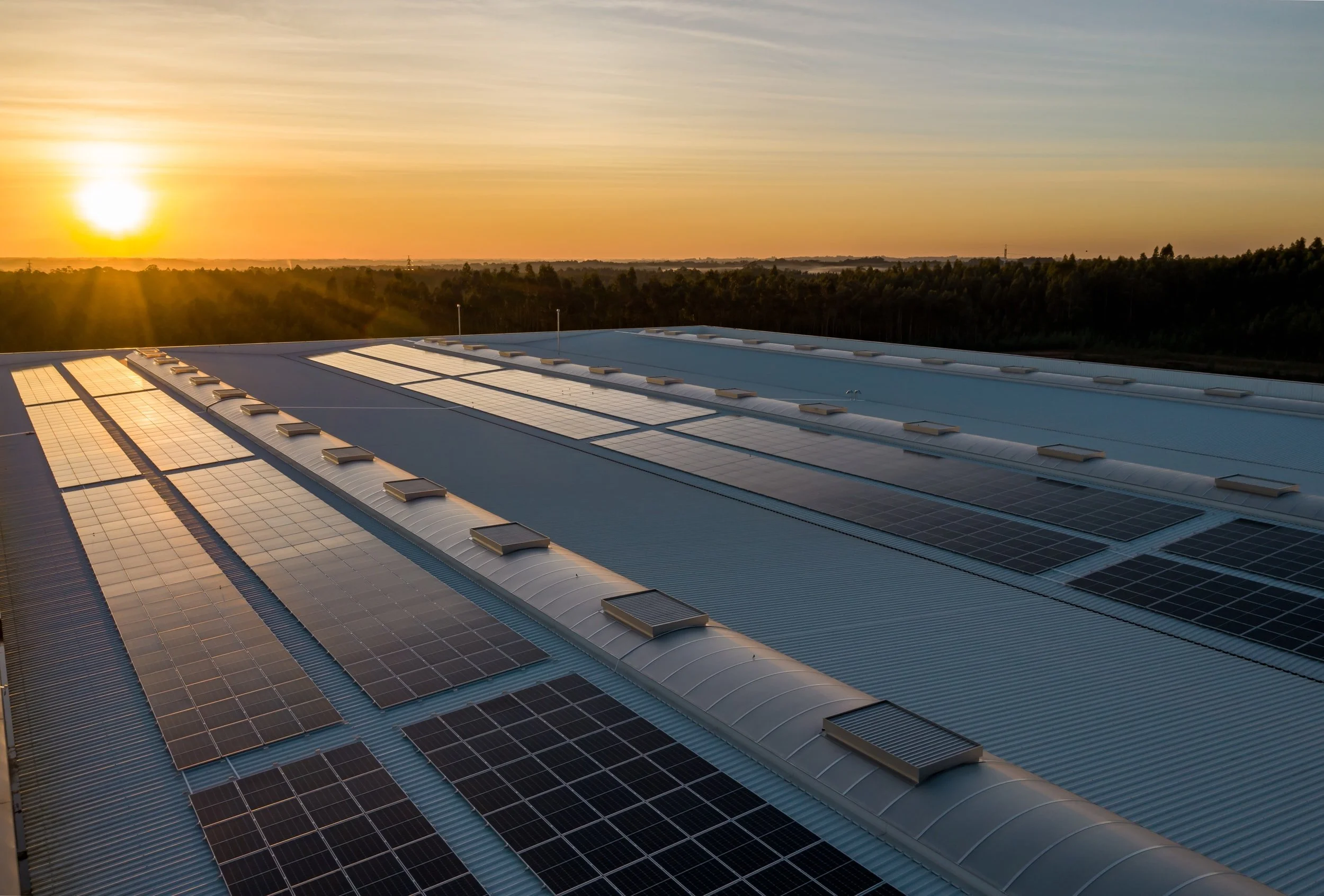
How Solar PV Systems Work
How Do Solar Panels Work?
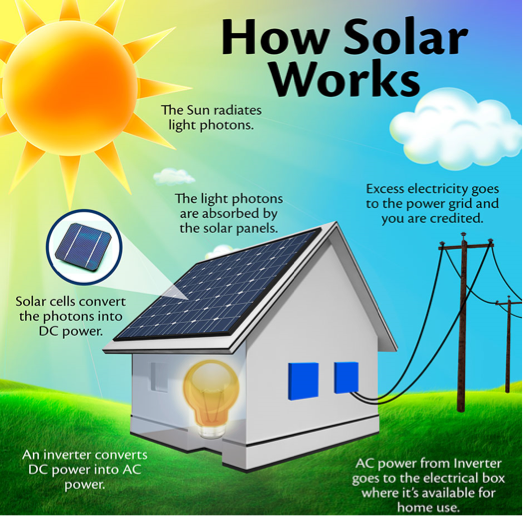
Solar panels work by capturing sunlight and turning it into electricity you can use in your home or business. Each panel is made up of lots of photovoltaic (PV) cells that convert daylight into direct current (DC) electricity. This is then passed through an inverter, which changes the DC into alternating current (AC) - the type of electricity used by your appliances. The more daylight your panels receive, the more energy they produce - even on cloudy days!
If you generate more power than you use, the excess can be sent back to the grid, and thanks to the Smart Export Guarantee (SEG), you’ll get paid for it. Many systems can also be paired with a battery to store energy for use at night or, potentially, during power cuts. It’s a smart, clean, and cost-effective way to reduce your energy bills and carbon footprint - and take control of your energy future.
Read below to learn more about how solar panels work…
Clean, Green Electricity
Solar PV uses energy from the sun to produce clean, green electricity. Solar PV panels contain photovoltaic cells that convert sunlight into electricity.
Most solar PV systems are tied to the grid, this means that the electricity the panels generate flows directly into (and syncs with) a building’s mains supply. The power generated by solar panels reduces the amount of electricity consumed from your supplier.
On sunny, blue sky days or at times when your property is drawing low loads, the solar panels may produce more power than the building needs, and the surplus power will be exported into the grid.
Converting Sunlight into Power
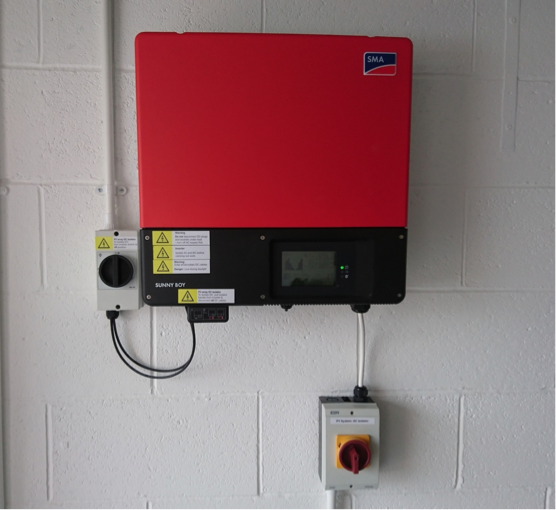
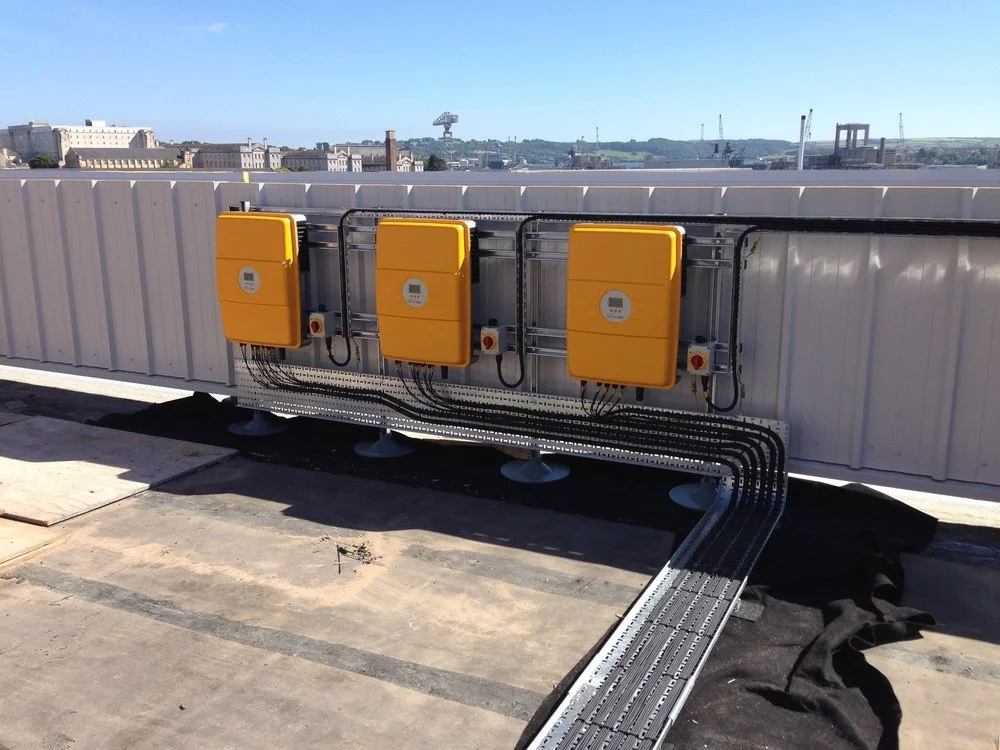
The inverter is a device that converts the DC electricity produced by your solar array into AC that can be used in your home or business. The inverter also performs safety checks. It monitors the grid and will switch itself off if it senses a fault or bigger than normal fluctuation in the mains supply.
The electricity that is converted by the inverter goes straight into the building’s consumer unit - from here it is used in your home, decreasing the amount of electricity you will consume and shrinking your bills.
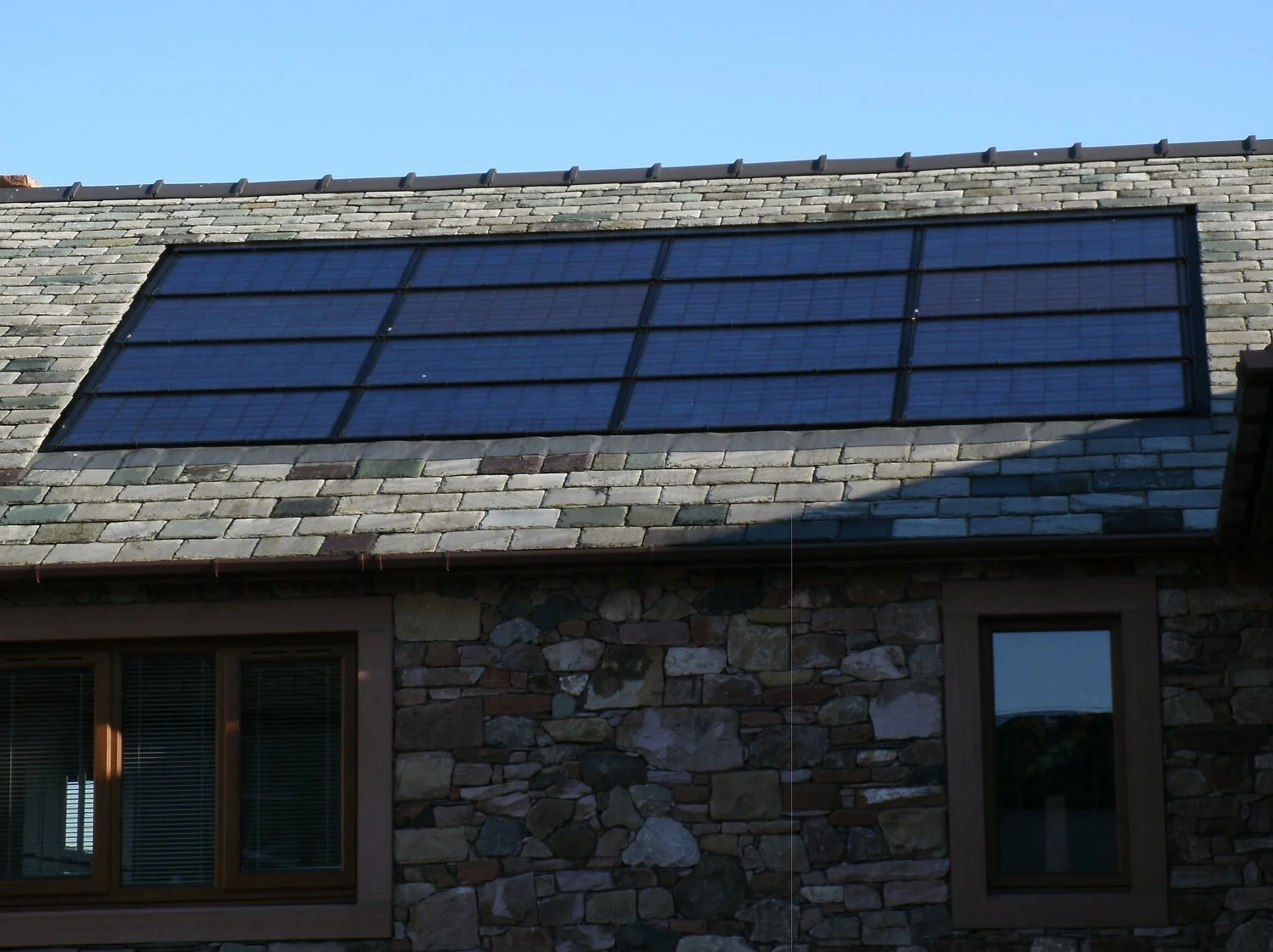
Solfit integrated solar panels on a barn conversion roof in Cumbria
Why Solar?
Solar PV is a good investment
With the smart export guarantee you get paid an export tariff for the electricity you don’t use, that is exported to the national grid. Solar panels are also long-lasting and require little maintenance.
Solar gives you energy security
You will save money on your electricity bills, and you will protect yourself from the inevitable future price rises from energy suppliers.
Solar cuts carbon emissions
Each unit of electricity generated by a solar PV system reduces the amount of CO2 that is churned out by the conventional power stations. Over 25 years, a 1kWp PV array will generate over 18,000 units of electricity and save over 10 tonnes of CO2.
Our Solar Services
-
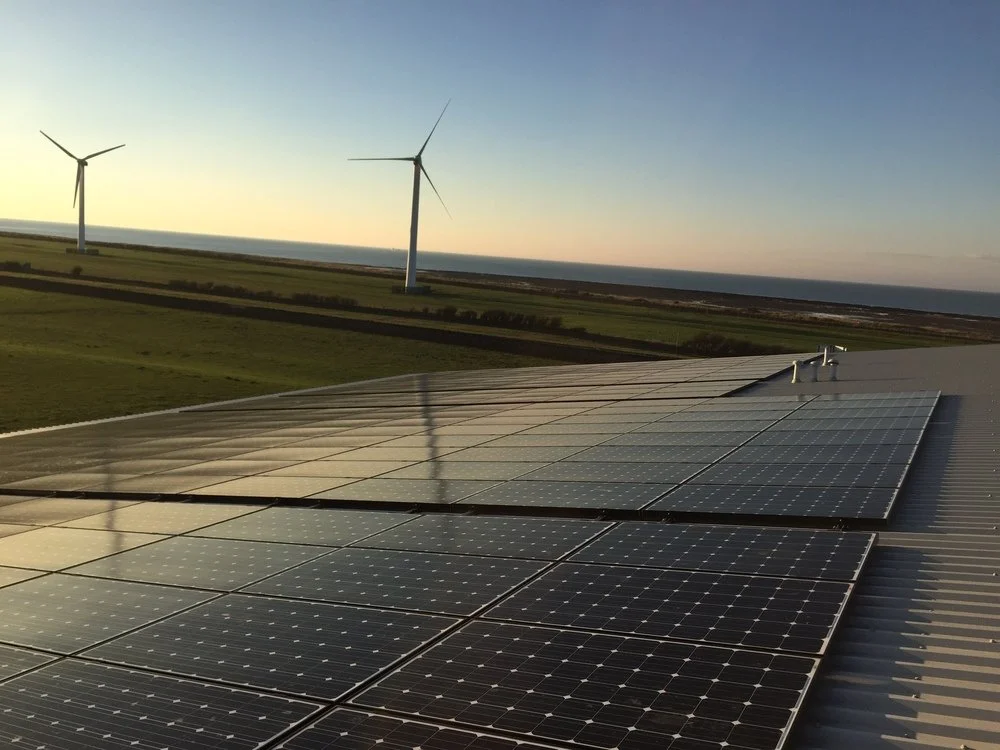
Solar Panels
Solar PV is a good investment. Solar gives you energy security, saving you money on your electricity bills and protecting you from inevitable future price rises from energy suppliers.
-
Battery Storage
Capture and store green energy with a solar battery. Adding a solar battery array is a great way to make the most of renewable energy and increase your independence from the grid.
-

Maintenance & Repairs
All electrical systems need periodic inspection and testing. Solar PV systems are no different. For PV systems mounted on buildings, the recommended inspection interval will depend on the type and use of the building.
Popular Solar FAQs
-
Yes - solar panels work using daylight, not just direct sunshine. Even in cloudy or rainy regions like Cumbria, they still generate electricity effectively throughout the year.
-
Costs vary based on system size, battery storage, and installation complexity, but typical UK home systems start around £5,000–£7,000. Businesses, industrial units or farms may require larger setups.
-
Most solar panels come with a 25-year performance warranty and can last 30+ years with minimal maintenance.
-
Not with a standard system. However, if you install a battery and backup inverter, you can store solar energy and use it during outages - ideal for more remote properties and for those looking to go ‘off-grid’.
-
Solar panels can cut electricity bills by 50–70%, and excess energy can be sold back to the grid via the Smart Export Guarantee (SEG). There are a huge range of tariffs available suited to each specific user’s needs.
-
Possibly. Homes or businesses within the Lake District National Park or in listed buildings/conservation areas may require planning permission. GlowSolar can help you navigate this process.
In most cases outside of Cumbria and the Lake District National Park solar panels on homes and most commercial buildings fall under Permitted Development, and do not require planning permission.
-
For most homeowners or small businesses in the UK (including Cumbria), the payback period is typically between 6 to 10 years, depending on several key factors:
System Size & Cost
– A typical 4 kW domestic system might cost £5,000–£7,000.Electricity Usage
– The more power you use during the day, the faster the savings add up.Battery Storage
– Batteries increase upfront cost but can reduce reliance on grid energy and speed up savings.Smart Export Guarantee (SEG)
– Earn money by selling unused electricity to the grid.Energy Prices
– Rising electricity rates shorten the payback period by increasing your savings.
-
Sometimes, especially for farms, businesses, or community projects. While national schemes like SEG apply, local authorities and environmental groups occasionally offer regional funding or support.
-
Yes, they can. Homes with solar are often more attractive to buyers thanks to lower running costs and environmental appeal.
-
A typical 3-4 bedroom home needs around 15-25 m² of south-facing roof space for a standard 4kW system. GlowSolar will always recommend the most cost-effective number of solar panels and identify the most suitable location for them. One or more roofs can be used.
-
Yes. You can install a battery storage system to store unused energy for later - increasing your self-sufficiency. GlowSolar will advise on the size of battery required, dependent on your needs.
-
You can leave the panels in place (increasing resale value) or in rare cases, relocate them. SEG earnings can be transferred to new owners.
-
Most home installations are completed in 1 to 2 days. Larger commercial or farm systems may take longer, depending on scale.
-
Very little. Panels are designed to be self-cleaning in the rain, and occasional inspections keep them running efficiently.
-
GlowSolar offers a five year, insurance-backed warranty on workmanship, in addition to each solar panel and battery manufacturer’s product warranties. Support is always available for repairs or replacements.
Get A Solar Quote
Contact us for a free, no obligation quote. We will visit your property and give our expert opinion on the best solar solution. No sales patter, just honest advice.